
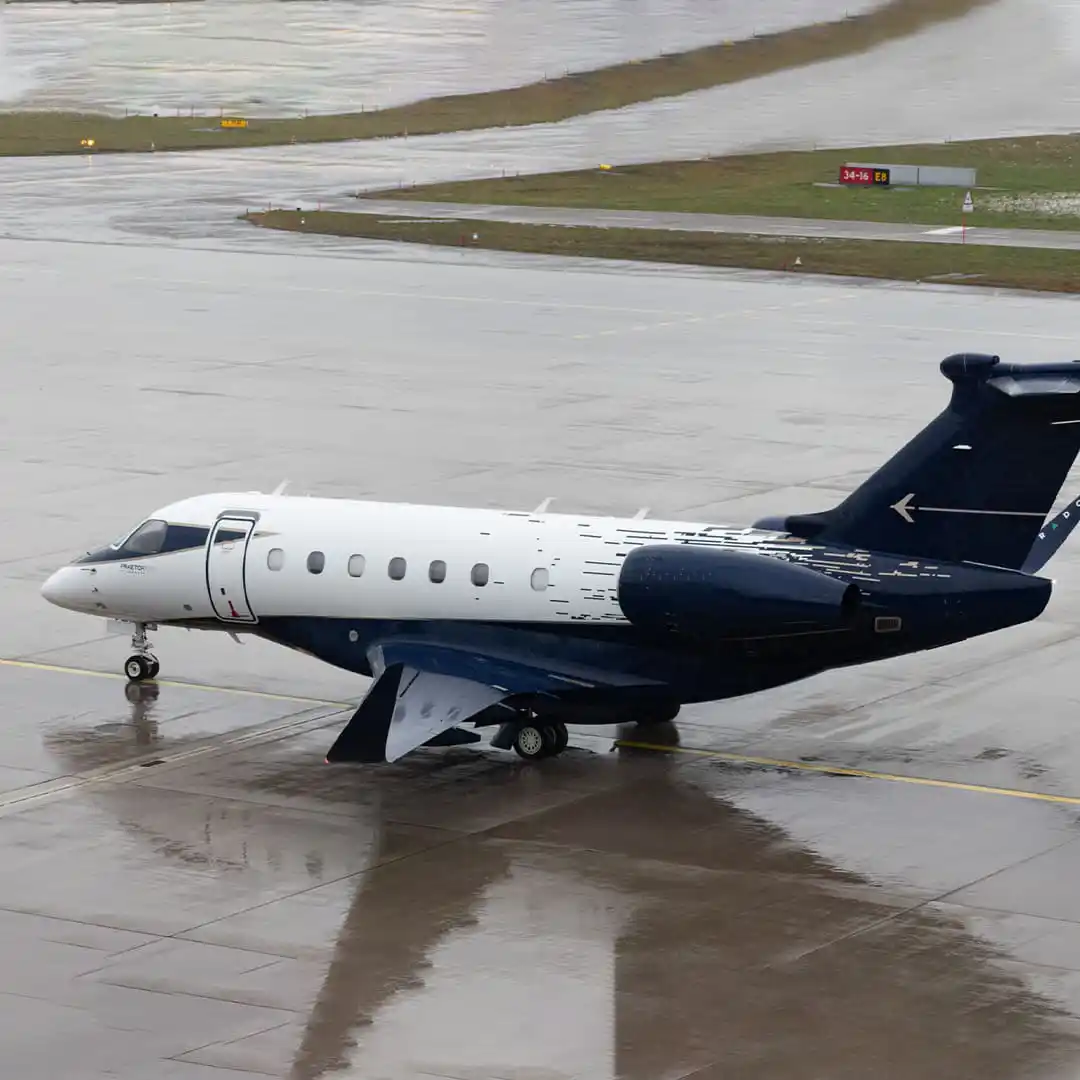
A private jet is not simply a private jet. The aircraft that suits a short business visit may feel entirely wrong for an overnight international journey. Cabin height, luggage capacity, runway access, seating layout, flight range, and onboard facilities can all shape the experience before departure. Yet many travelers begin by asking about price or appearance rather than purpose. That can result in unnecessary stops, limited movement, misplaced luggage expectations, or a space that nobody uses. Understanding aircraft selection helps you ask sharper questions, compare charter proposals more clearly, and choose an option that supports the journey you intend to make from start to finish.
Private charter offers something scheduled travel rarely can: the ability to shape transportation around a specific journey. However, that flexibility depends on selecting an aircraft suited to the route, passengers, schedule, and practical requirements.
Two jets may carry the same number of passengers while offering very different experiences. One might have greater range but a smaller luggage compartment. Another may provide a taller cabin yet require a longer runway. A third could access a regional airport closer to the final destination but offer fewer onboard facilities.
This is why aircraft selection should never treated as a visual decision alone. An attractive cabin photograph reveals little about baggage limits, airport compatibility, possible fuel stops, or how the seating arrangement feels after several hours.
A useful charter discussion begins with the journey itself. Where are you going? Who is traveling? What ate your bringing? How much time will you spend onboard? The answers create a practical aircraft profile.
For a brief regional journey, efficiency may matter more than cabin scale. Travelers often want to depart from a convenient airport, arrive close to their meeting or event, and avoid spending additional time on the ground.
A smaller jet can work well in this setting. It may access airports with shorter runways and connect locations that large aircraft cannot serve directly. This can reduce road travel after landing and make a same-day return more workable.
Cabin movement may be limited, but that can be a reasonable trade for a flight lasting an hour or two. Travelers might not require sleeping areas, extensive catering facilities, or several separate cabin zones. They may value direct routing and airport access instead.
The key question is not whether a smaller aircraft offers less. It is whether the aircraft provides what the particular journey requires. Paying for unused space or range doesn’t automatically improve the trip.
As flight duration increases, small cabin differences become much more noticeable. Seat width, headroom, noise level, washroom arrangements, temperature control, and the ability to stand or rest can influence how passengers feel when they arrive.
A cabin that seems comfortable during a brief viewing may feel restrictive after several hours. Travelers planning a long journey should ask how seats recline, whether they convert into sleeping positions, and how much personal space remains when every seat is occupied.
Cabin zones also matter. Business groups may want a table for discussion alongside a quieter area for rest. Families may prefer flexible seating that allows adults and children to settle into separate activities. Travelers crossing several time zones might place greater value on sleeping arrangements and meal service.
Range is equally important. An aircraft may appear capable of reaching the destination, but passenger count, luggage weight, weather, winds, and airport conditions can alter operating plans. A fuel stop can add time and change the rhythm of the journey.
Aircraft listings often include a maximum passenger figure, but that number requires context. Maximum seating doesn’t always mean maximum comfort, especially when every traveler carries luggage or expects room to work.
Consider how the group will use the cabin. Eight colleagues preparing for a presentation may need tables, charging access, and enough space to hold a conversation. Eight relatives traveling for a celebration may value relaxed seating and room for personal belongings. The head-count is identical, but the cabin needs are not.
Ask whether the proposal layout uses individual seats, divans, club seating, or a mixture. Find out which seats have direct table access and whether any positions are better suited to short periods than an entire flight.
A thoughtful charter proposal should translate passenger numbers into a realistic cabin arrangement. It should help you picture where people will sit, work, eat, and rest rather than simply stating capacity.
Luggage is one of the easiest details to underestimate. A jet may seat the entire group while lacking space for everything the group wants to bring.
Standard suitcases are only the beginning. Golf clubs, ski equipment, musical instruments, presentation materials, product samples, photography equipment, prams, and unusually shaped cases may require additional planning. Some luggage compartments can be accessed during flight, while others cannot.
Travelers should describe both the quantity and type of luggage early in the inquiry. Dimensions can be more useful than phrases such as “a few bags,” since soft cases and rigid suitcases occupy space differently.
Season also influences packing volume. A group traveling with winter clothing may require far more capacity than the same group taking a brief summer trip.
Discussing luggage before aircraft selection prevents difficult decisions at departure. It also allows the charter team to suggest packing adjustments or another aircraft while options remain available.
The nearest airport major airport is not always the nearest practical arrival point. One attraction of private charter is access to a wider airport network, including regional facilities that may shorten the drive to a business district, resort, residence, or event.
Aircraft size influences that access. Runway length, elevation, surface conditions, operating hours, local restrictions, and available ground services can decide whether a particular jet can use an airport.
A larger aircraft may offer more cabin space but require arrival at a facility farther from the final destination. A smaller aircraft might land closer, saving substantial ground time. In another situation, the larger jet may complete the route without stopping, making it the more suitable overall choice.
The flight should therefore be considered door to door. Compare the total journey, including road transfers, airport procedures, possible fuel stops, and arrival timing. A shorter flight alone doesn’t always produce a shorter trip.
For business travelers, a private cabin can become a working environment. Yet not every aircraft supports work in the same way.
Connectivity varies by aircraft, route, and region. Wi-Fi may be available, but expected performance should be discussed before departure if the group plans to join video calls, transfer large files, or use cloud platforms. Power outlets, table size, cabin lighting, and seating orientation also affect productivity.
Privacy within the group deserves attention. Senior executives may need a separate conversation area. Teams may want to review confidential material without cabin movement interrupting the discussion. Some layouts support collaboration, while others are arranged mainly for individual travel.
Arrival condition matters too. A direct flight in a suitable cabin may help passengers reach the destination ready for a meeting. Aircraft selection, in this context, is not simply about transportation. It becomes part of how the working day is structured.
Family charter journeys benefit from early planning around ages, routines, luggage, mobility. A family traveling with young children may bring prams, toys, food, and several small bags that collectively require considerable storage.
Cabin layout can help adults supervise children without making everyone feel confined. A separate seating zone may give older children room for entertainment, while nearby seats allow parents to remain within easy reach.
Flight duration affects the choice again. On a short route, simple seating may be enough. On a longer flight, sleeping positions, washroom space, meal timing, and cabin movement become more significant.
Families should also discuss child seating arrangements, airport transfers, dietary requests, and any equipment they plan to bring. Sharing these details early gives the charter team an opportunity to coordinate the aircraft and ground experience around the full group.
Aircraft selection changes far more than the cabin photograph. It can influence airport access, flight duration, luggage planning, onboard productivity, rest, privacy, and the condition in which passengers arrive.
The right conversation begins with purpose. A short regional meeting, family holiday, international business trip, and journey with specialist equipment should not automatically receive the same aircraft recommendation.
When you share complete travel details, the selection process becomes clearer. You can compare proposals according to the experience they create rather than capacity or appearance alone.
Before requesting a specific jet, describe the journey you want. Consider every passenger, every bag, every airport, and every hour onboard. Then speak with a charter team that can translate those needs into suitable options. One aircraft may complete the flight, but the right aircraft can make the entire journey work.